









Keeping your kitchen counters clutter-free can transform your cooking space into a more enjoyable and efficient area. A neat countertop not only looks inviting but also makes meal preparation easier and safer. If your kitchen counters tend to get crowded with appliances, utensils, and miscellaneous items, don’t worry. With some simple habits and smart storage solutions, you can reclaim your space and keep it clutter-free.
Why a Clutter-Free Kitchen Counter Matters
A tidy countertop offers many benefits:
– More workspace: Clear counters provide ample room for food preparation.
– Easier cleaning: Without many items in the way, wiping down surfaces is faster and more effective.
– Better organization: You can quickly find what you need when there’s less clutter.
– A calming environment: A clean space reduces visual stress and helps you focus on cooking.
Step 1: Declutter Your Counters
Start by removing everything from your countertops. Sort items into categories:
– Essential daily-use tools and appliances
– Occasionally used items
– Items that don’t belong in the kitchen
Decluttering Tips
– Be honest: If an item hasn’t been used in the past month, consider storing it elsewhere or donating it.
– Group similar items: Keep like things together to decide if all need to stay out.
– Limit countertop appliances: Only keep out frequently used devices, like a coffee maker or toaster. Store others in cabinets.
Step 2: Maximize Storage Space
Good storage is key to keeping counters clear. Use your kitchen cabinets, drawers, and pantry wisely.
Storage Ideas:
– Drawer organizers: Separate utensils and small tools to avoid clutter.
– Cabinet shelves and racks: Use vertical space with stacking shelves or pull-out racks.
– Pantry bins: Keep dry goods and snacks in clear containers for easy access.
Step 3: Use Countertop Organizers Strategically
Some items can stay on the counter but benefit from containers or holders to keep them tidy.
Examples of Organizers:
– Knife blocks or magnetic strips: Store knives safely and free up drawer space.
– Utensil holders: Keep frequently used spoons, spatulas, and whisks within reach but organized.
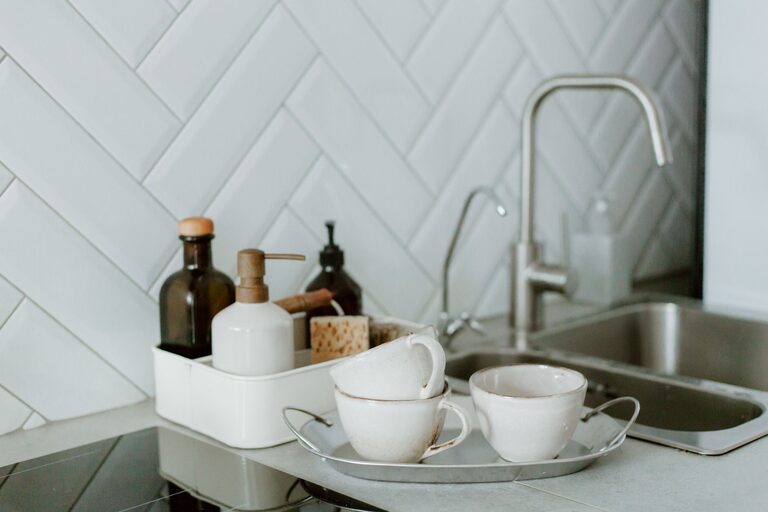
– Trays or baskets: Group small items like spices or oils to create a neat zone.
Step 4: Create Dedicated Zones
Designate specific areas of your countertop for different tasks to reduce clutter spread.
Suggested Zones:
– Prep zone: Near the stove or sink with knives, cutting boards, and mixing bowls.
– Coffee station: A small area for coffee makers, mugs, and supplies.
– Baking corner: Store measuring cups, mixing spoons, and flour nearby.
Having clear zones helps contain items and makes cleaning quicker.
Step 5: Develop Daily Habits for Maintenance
Keeping counters clear is easier when you build simple habits into your routine.
Helpful Habits:
– Clean as you go: Put away tools and wipe surfaces after each cooking step.
– Do a nightly reset: Before bed, clear off all items and wipe counters.
– Limit countertop decorations: Keep décor minimal to free up space and avoid dust collectors.
Bonus Tips for Small Kitchens
In smaller kitchens, counter space is especially precious. Consider these additional ideas:
– Wall-mounted shelves: Use vertical space to hold spices or cookware.
– Over-the-sink cutting boards: Expand your prep area without taking up counter space.
– Foldable and multi-use items: Choose items that can be stored flat or serve multiple purposes.
Final Thoughts
A clutter-free kitchen counter can greatly improve your cooking experience. By decluttering, improving storage, using organizers, and setting up zones, your kitchen will feel more spacious and welcoming. Remember, consistency is key—maintain your clear counters with daily habits, and you’ll enjoy a cleaner, more efficient kitchen every day.